
Your curtains do far more than frame a window. As one of the largest fabric surfaces in your home, they act as a continuous air filter, silently trapping dust, cooking oils, pet dander, and outdoor pollutants with every passing hour. In Singapore’s high-humidity climate, what looks like a clean curtain can actually conceal microscopic mould spores and allergens that no amount of visual inspection will reveal. Understanding your ideal refresh cycle is essential, not just for aesthetics, but for your family’s health and the longevity of your investment.
That invisible accumulation carries real consequences. Beyond the surface dullness, accumulated dust and grime behave like fine sandpaper on fabric fibres, and every time your curtains move, these abrasive particles create micro-cuts in the thread, gradually causing fraying and premature wear.
The biological risks run deeper still. Curtains can hold dust mites in significant volumes, with the warm, undisturbed folds of unwashed fabric providing ideal conditions for them to multiply. Combined with pet dander, these are well-documented triggers for respiratory issues and skin allergies. Cooking oils and everyday contact leave residues that oxidise over time, eventually producing permanent yellow patches that even a professional curtain-cleaning service cannot fully remove.
In Singapore’s tropical climate, the threat of mould is equally serious. Stagnant moisture in fabric creates the ideal conditions for mould proliferation, eating away at the material whilst releasing harmful spores into your living space.
Addressing these issues does not always require a professional visit. A tiered maintenance routine helps manage everyday build-up and extends the time between deep cleans.
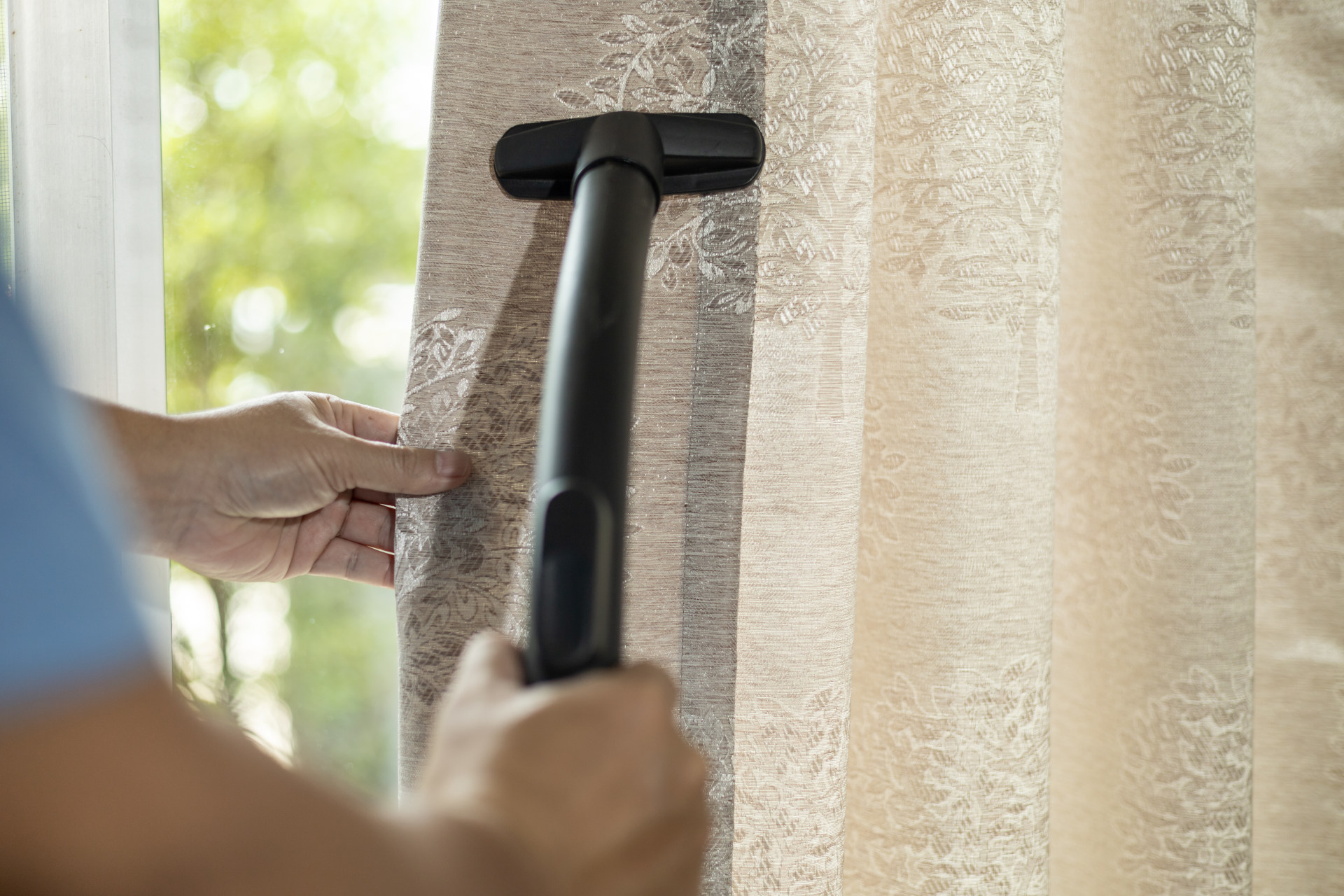
Weekly or fortnightly, use a vacuum cleaner with a soft brush attachment on a low-suction setting, working gently from top to bottom to prevent surface dust from embedding further. Monthly, give your curtains a light shake whilst still hanging and wipe down tracks or rods with a dry microfibre cloth.
Of course, a fixed schedule is only a baseline. For most homes in Singapore, the industry standard is roughly a professional curtain dry cleaning every 12 to 18 months, though luxury fabrics and custom-made curtains often warrant more frequent care, given their sensitivity to accumulated grime and the irreversibility of fabric damage at that price point. Beyond the fabric type, conditions vary considerably depending on your home’s ventilation, proximity to cooking areas, and whether you have pets or young children. In many cases, your curtains will signal that they need attention well before the 12-month mark. Watch for these indicators:
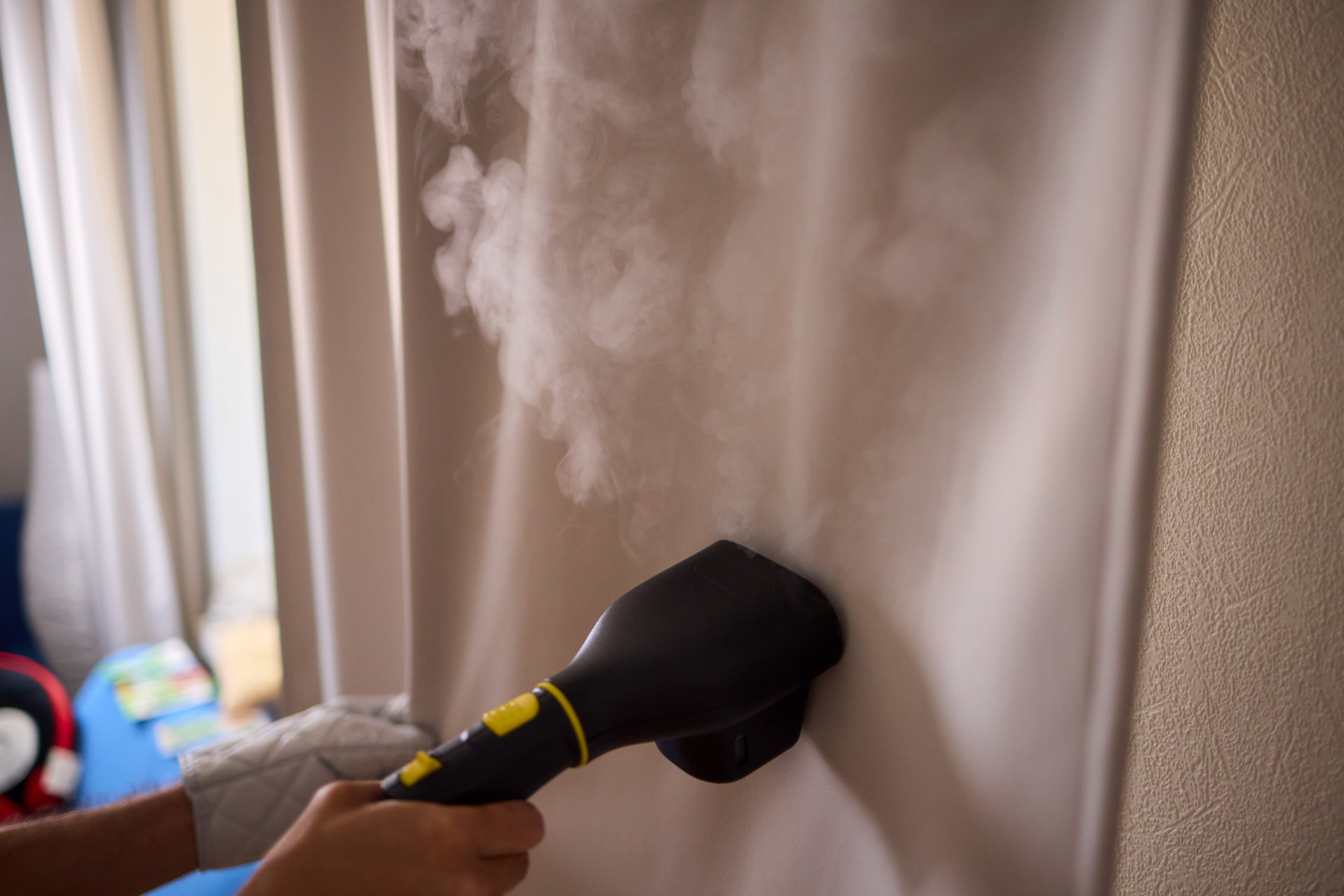
With 35 years of expertise in curtains and blinds, HM Gallery understands the precise care requirements of every fabric. In addition to offering a wide variety of window treatments, we also provide professional curtain cleaning services in Singapore designed to maintain the condition, colour, and durability of your curtains or blinds.
Regular professional cleaning protects both your family’s well-being and the value of your window treatments. Ready to schedule your curtain care? Contact HM Gallery today for a consultation and discover how our expert cleaning service keeps your home looking and feeling its best.